In October 2000, the United Nations Security Council (UNSC) adopted Resolution 1325 (2000), the UNSCR 1325 on women, peace and security (WPS), in recognition of the serious impact that armed conflict has on women and children, and the potential of women to contribute to all of the processes which aim to establish and sustain peace.
The year 2025, October, marked the 25th anniversary of United Nations Security Council Resolution 1325 (UNSCR 1325) on WPS. This milestone presents an opportunity to reflect on the progress made, the persistent gaps, and emerging priorities shaping the WPS agenda. Over the past 25 years, States institutions, INNGO/NGOs organizations, and civil society actors have taken steps to implement the resolution through National Action Plans, policy frameworks, and operational mechanisms. However, challenges remain in financing, coordination, and sustainability.
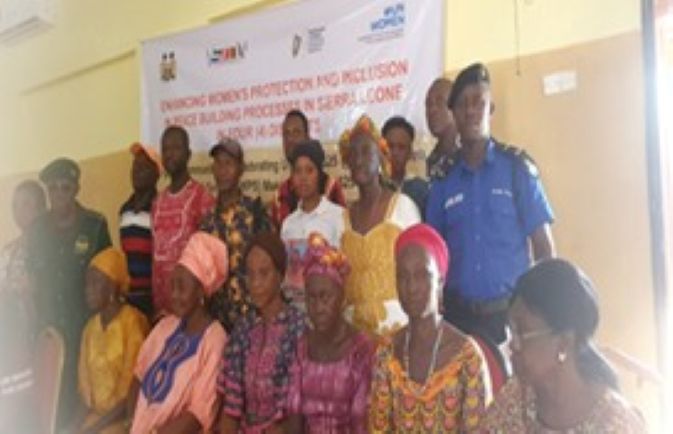
MARWOPNET in partnership with UNWomen and support from the Embassy of Ireland joined communities in Kailahun, Kambia and Karene to celebrate UNSCR 1325 @25. It facilitated structured dialogue on progress, lessons learned, and innovations under the four pillars: Prevention, Participation, Protection, and Relief & Recovery.
The celebration held Strategic Reflections on 25 Years of Implementation in Sierra Leone: reflected on trends, shifts in women’s roles, institutional awareness, and key lessons learned.
At the end of the discussions Participants came out with Priorities for the Next Decade: identified actionable recommendations and priority actions to strengthen the WPS agenda across stakeholders.
Recommendations: Some of the recommendations
• Continued community engagement including schools engagement and massive sensitization on the UNSCR 1325 with intensive communication on laws, and community dialogue meetings
• Duty bearers to fully enforce the laws that enhance adherence to the laws that protect women and girls, and that Policies enacted should not only be limited to urban communities, but it should reach the last community
• There should be safety/protection for victims/survivors of SGBV
• All forms of violence should be reported to the appropriate body and free from stakeholders’ interference
• Influence duty bearers and policy makers to develop women friendly policies that cater for the four Resolution 1325 and implement them accordingly and that The National Action Plan 111 on UNCSR1325 + should be funded and popularised
• Disability issues should be addressed especially in terms of inclusion
• There should be Support services to perpetrators to enhance peace and development
• Strengthen effective collaboration, coordination and partnership among member organizations
• Local chiefs and other authorities to promote women’s empowerment activities through networking, inclusion and decision making in governance
• Effectively engage women in all forms of decision making
• MARWOPNET SL to collaborate with Local councils for effective implementation of UNCSR 1325.
• The presence of GUINEAN Military personnel should be treated with utmost concern and solution taken for the de-militarisation of Yenga and environ.
• The situation of the displaced women in Koindu should be addressed appropriately, with the demand that all parties to the conflicts must fight against impunity involving sexual violence, and provide effective protection to civilians, especially women and girls
• Ministry of Gender and Children’s Affairs (MoGCA) calls for collective collaboration in the fight against SGBV.
Conclusion
UNSCR 1325 is a sort of Affirmative action. It would be imperative to better sensitize all stakeholders on the content of the resolution, to develop an action plan for its implementation and bring states to effectively implement, involve local authorities (urban, rural municipalities, and village communities) in the popularization process of Resolution. UNSCR 1325 is a continuation of gender equity efforts and a sort of recognition of the role of women in society, a way of legitimizing women’s endless contribution to conflict prevention, management and resolution
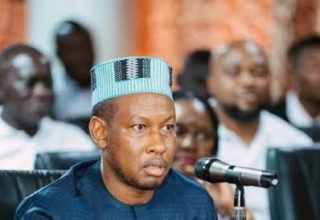
The celebrants comprising women, youth, traditional rulers, security sector apparatus including the Office of National Security (ONS), the Sierra Leone Police (SLP), Republic of Sierra Leone Armed Forces (RSLAF), religious leaders, Ministries, Departments and Agencies (MDAs) and media bloggers acknowledged that Sierra Leone has done well in the policies and laws enactment to protect women and girls. However, there are still challenges in implementation, knowledge building and monitoring